Selecting the Best Painting Contractor: Tips for a Flawless Finish
Selecting a painting professional can considerably influence the result of a painting project. It requires careful consideration of several elements, such as communication skills, experience, and references. A properly organized approach guarantees clear direction and limits potential complications. Recognizing what to emphasize is essential. With the proper information, homeowners can reach well-informed decisions that lead to a successful painting outcome. The following segments will outline essential tips and approaches to navigate this process efficiently.
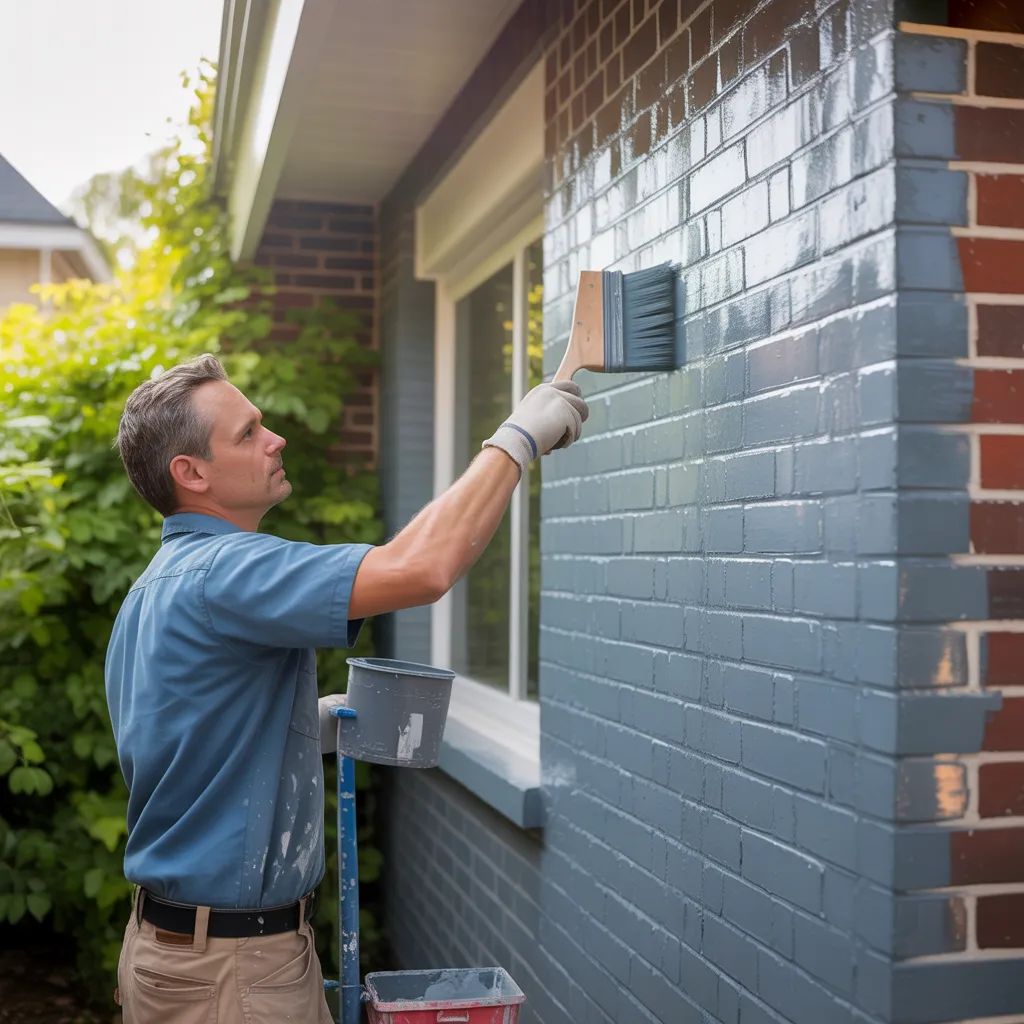
How to Evaluate a Painting Contractor's Experience
When assessing a professional painter's experience, how does one distinguish the truly qualified from the less competent? Important factors include the painter's duration in the industry and their portfolio of completed projects. A seasoned contractor typically possesses a diverse range of work, demonstrating multiple techniques and styles, which indicates versatility and expertise. Additionally, knowing the categories of work they specialize in—commercial, residential, or both—can offer a glimpse of their proficiency.
Another important aspect is the contractor's commitment to ongoing education and training. Staying current with the latest industry standards and practices signals a high level of professionalism. Seeking out certifications or memberships in established industry associations can help substantiate their qualifications. Ultimately, thorough evaluation includes not just how long they have been in business, but also the quality and variety of work, confirming the contractor has the capability to fulfill particular project demands effectively.
What You Should Look for in References and Reviews
When evaluating testimonials and feedback, it is crucial to look for consistency in the caliber of work reported by former clients. Such consistency can indicate reliability and professionalism. Furthermore, examining the professional's communication style through feedback can provide insights into their responsiveness and approachability.
Ensure Consistency in Quality
Reviewing reviews and references is essential for identifying a contractor's painting quality consistency. Potential customers should focus on patterns in feedback rather than individual remarks. Identify repeated subjects in testimonials—positive remarks about careful craftsmanship, timeliness, and general quality of work point to reliability. Furthermore, factor in the quantity of testimonials; a painting specialist with a significant number of uniformly favorable reviews is usually more dependable than someone with minimal feedback. Be mindful of any negative reviews, especially those noting lack of proper communication or unfinished projects. Finally, ask for references directly from the contractor and reach out to previous customers to gain firsthand insights into their experiences. This comprehensive method helps guarantee that the selected contractor will provide a quality outcome.
Evaluate Communication Style
To what degree does a professional painter engage with their clients? This aspect is essential when evaluating potential hires. Homeowners should look for reviews that emphasize the contractor's responsiveness and clarity in discussions. References might show whether the contractor quickly responds to inquiries or issues, reflecting a focus on customer service. Furthermore, evaluate the contractor's capacity to describe procedures and schedules clearly. A good communicator will guarantee that clients are well-informed throughout the project. Seek reviews that reference detailed and accurate cost projectionsand openness regarding supplies and expenses. At its core, clear communication establishes trust and leads to a more efficient project experience, making it a critical element in hiring the best painting contractor.
Critical Factors to Consider When Hiring a Contractor
What essential factors should one consider when hiring a painting contractor? Start by checking the contractor's credentials, including their licenses and insurance, to validate their legitimacy and provide protection from liabilities. Then, consider their level of experience and proficiency by seeking references and looking over completed projects. Doing so allows you to measure the caliber of their work and their dependability.
It is also important to talk about the variety of materials and techniques they intend to use, as this influences the quality and look of the finished project. Additionally, ask about the project timeline, as having clear expectations can prevent potential misunderstandings.
Communication is critical; verify the contractor is available and receptive to inquiries. Talk about any warranties or guarantees covering their services, as this gives you peace of mind regarding the standard of work. Additionally, review the contract specifics, ensuring all aspects of the project, including start and completion dates, are clearly outlined in writing. These conversations set expert tips the stage for a positive and successful painting experience.
Establishing a Practical Budget for Your Project
Creating a reasonable budget for a painting project starts with defining the project scope, which details the exact areas designated for painting. Once the scope is established, it is crucial to consider material costs, such as paints and related materials, alongside labor expenses for the contractor's work. This thorough approach guarantees that homeowners are able to distribute their resources wisely while steering clear of unanticipated financial challenges.
Identify Project Scope First
Identifying the scope of the project is crucial for a satisfactory painting project. This first step involves thoroughly establishing the sections requiring paint, the kinds of finishes required, and any necessary preparatory work. By establishing these specifics, homeowners can more clearly grasp the total scope of the work, leading to improved budgetary forecasts. A properly outlined scope helps avoid unforeseen modifications and additional costs during the course of the project. Moreover, it allows for clear dialogue with prospective painters, ensuring that each party understands on project goals. Taking the time to determine project scope upfront can greatly enhance the outcome, supporting a smoother workflow and a higher quality finished product. Focusing on this step initially lays the foundation for a skillfully handled painting job.
Consider Material Costs
While assessing the full financial plan for a painting project, home improvement planners must closely examine material costs to secure financial viability. This covers the cost of paint, primer coats, brushes, rolling applicators, and additional supplies such as drop cloths and painter's tape. It is essential to select high-quality materials, as they significantly affect the durability and appearance of the end product. Homeowners should investigate multiple brands and evaluate their pricing to find a balance between quality and cost. In addition, evaluating the overall square footage needing coverage will assist in calculating the required amount of materials, circumventing unanticipated charges. Preparing for unexpected needs, such as extra paint for touch-ups, can also lead to a more thorough and accurate budget.
Incorporate Labor Costs
Proper budget planning for a paint job necessitates thorough evaluation of labor costs, which can greatly influence the full project cost. Workforce expenditure typically accounts for a substantial share of the total budget, so obtaining detailed estimates from service providers is critically important. Painting specialists may charge by the hour or offer a fixed price based on the nature of the project. It is advisable to ask regarding the size of the crew and the estimated schedule, as these factors can impact total labor charges. Furthermore, understanding the professional's expertise and skill level can help validate their charges. By incorporating labor expenses into the financial plan, clients can eliminate surprise charges and ensure more efficient project management, ultimately leading to a flawless finish.
Which Questions Should You Consider Asking Before Signing?
What important questions should homeowners ask before signing a contract with a painting contractor? First, they should find out about the contractor's background and references. Understanding their previous work can provide insight into the professionalism and quality of the contractor. Homeowners should also find out about the types of materials and paint brands chosen, as this influences the finish and longevity of the project. In addition, talking about the project schedule is essential; being aware of when the project begins and ends can assist with planning ahead. Homeowners should understand the payment arrangement, including deposit requirements and final payment expectations. Lastly, it's important to ask about warranties or guarantees on both labor and materials. These questions help guarantee that homeowners select a contractor who aligns with their expectations and requirements, setting the stage for a successful painting project.
How to Achieve a Hassle-Free Painting Process With Your Contractor
Setting up open communication is essential for ensuring a successful painting process with a professional contractor. Property owners should communicate their needs regarding scheduling, color selections, and specific project details. Routine updates can help address any developing problems and keep the project on track.
Preparation is another key aspect. Homeowners should confirm the work area is accessible and free of obstacles. This allows the contractor to work efficiently and minimizes potential delays.
Additionally, it is wise to create a written agreement that specifies the work parameters, billing schedule, and completion schedule. This document works as a point of reference for both parties, preventing confusion.
Ultimately, nurturing a positive rapport encourages teamwork. Homeowners ought to acknowledge the contractor's hard work, fostering a productive working atmosphere. By following these guidelines, homeowners can contribute to a seamless painting experience, ultimately leading to a flawless finish.
Frequently Asked Questions
How Long Will It Take to Complete the Painting Project?
The length of a painting project usually extends from a few days to several weeks, influenced by factors such as the size of the area, complexity of the work, and environmental conditions influencing the project timeline.
Which Paint Type Do You Recommend for My Project?
For the finest results, we recommend using a high-quality, durable acrylic latex paint. This type offers excellent coverage, easy application, and long-lasting finish, making it an excellent choice for interior as well as exterior surfaces, ensuring a professional appearance.
Are Warranties Offered on Your Work?
Absolutely, numerous established professional painters include service warranties on their projects. These service warranties usually encompass both materials and labor, making certain that homeowners get excellent service and protection against unforeseen concerns that could occur after the job is finished.
How Do You Manage Unexpected Problems During the Project?
The contractor addresses unexpected issues by swiftly analyzing the situation, communicating transparently with the client, and proposing solutions. This proactive approach guarantees minimal disruption and upholds project schedules while ensuring customer contentment throughout the process.
May I Review a Portfolio of Your Previous Work?
The contractor readily provided a portfolio highlighting numerous projects, emphasizing exceptional craftsmanship and precision. Every finished project demonstrated their proficiency, allowing potential clients to assess their technique and appropriateness for future painting projects.